Latest
Best Free VBT Apps: Track Bar Speed Without Buying a $1,000 Device
Free VBT apps can measure barbell velocity with your phone camera. Compare camera-based and sensor-based apps, what validation exists, and how to get started.
AAaron
Read more Practical guides to 1RM, RPE, powerlifting, and video-based barbell velocity training.
Free VBT apps can measure barbell velocity with your phone camera. Compare camera-based and sensor-based apps, what validation exists, and how to get started.
Build training percentages from a stable 1RM estimate, update the baseline at useful intervals, and use RPE or velocity for day-to-day decisions.
Read moreCompare linear and undulating periodization, set a measurable training baseline, and decide when the block needs adjustment.
Read moreUse a stable 1RM baseline, gradually raise intensity, reduce repetitions, and update the plan with RPE and bar-speed trends.
Read more
Use a short daily check, RPE, and rep velocity to adjust today’s session without rewriting the full program after every workout.
Read more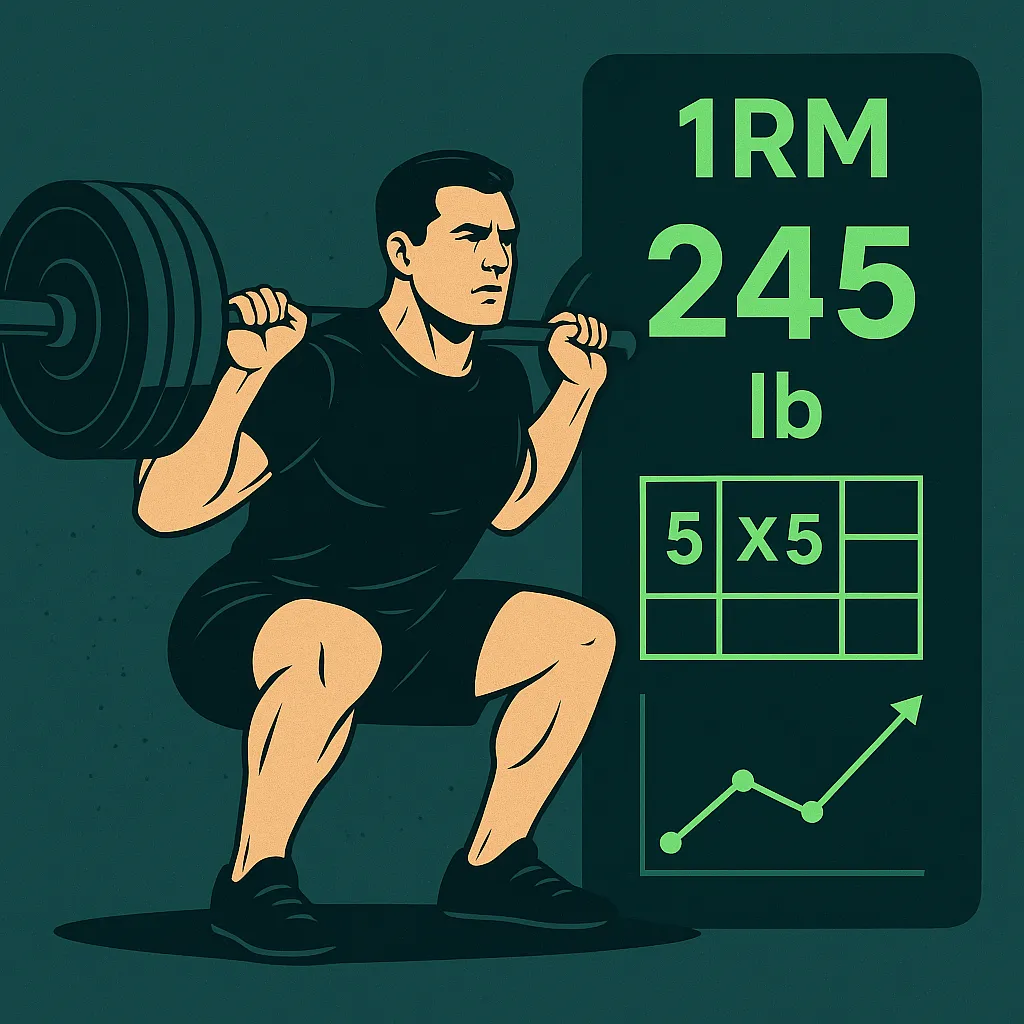
Start squat, bench press, and deadlift with repeatable technique, conservative loading, and a simple record of reps, RPE, and bar speed.
Read more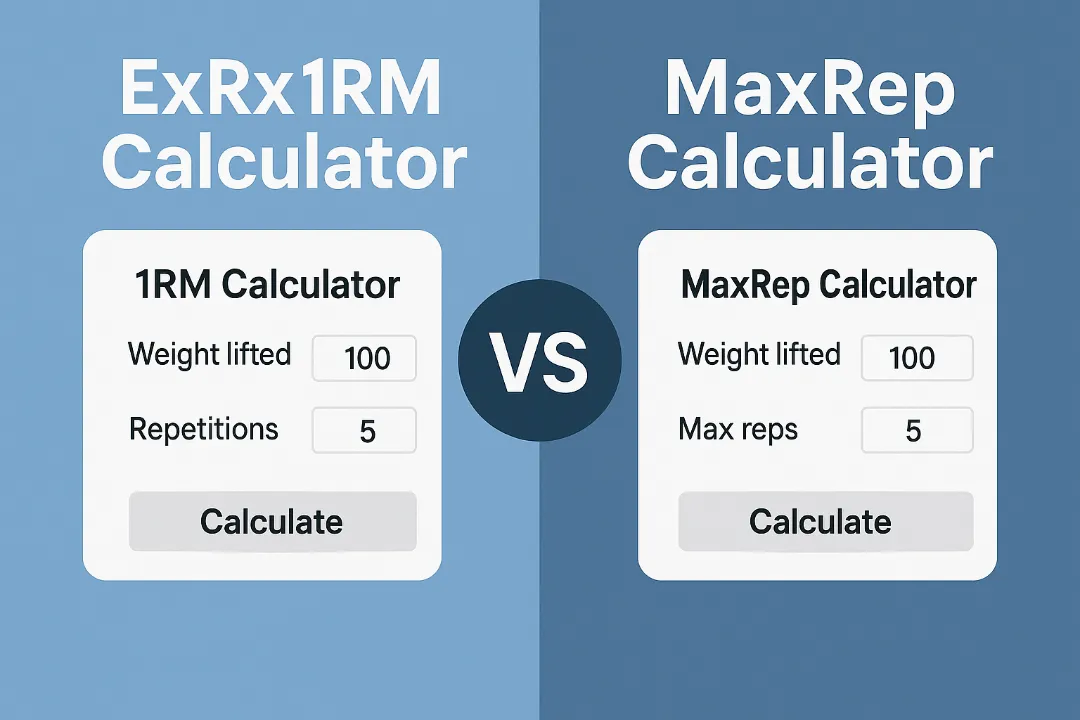
A factual comparison of ExRx and MaxRep 1RM calculators, including formula transparency, result ranges, RPE tools, and video-based follow-up.
Read more
Set up the incline bench press, understand what bench angle changes, and track strength without borrowing unrelated flat-bench standards.
Read moreRM means repetition maximum: the heaviest load you can complete for a stated number of valid reps. Here is how to use RM without confusing it with a normal working set.
Read more
Estimate deadlift 1RM from a clean submaximal set, compare formula ranges, and add bar-speed data without relying on invented accuracy claims.
Read moreA 5x5 working weight is not the same as a true 5RM. Use last-set RPE, formula ranges, and rep velocity to make a more useful 1RM estimate.
Read moreUse the lifting RPE scale to describe reps in reserve, adjust working weight, and combine subjective effort with bar-speed data.
Read moreBMI is a simple weight-for-height screening measure. Strength athletes need body composition, waist, health, and performance context before interpreting it.
Read moreLearn what one-rep max means, how rep formulas differ from direct testing, and when bar-speed data can add useful context to a 1RM estimate.
Read more